South Asian AD Project
February 18, 2026
A Sri Lankan anaerobic digestion plant to secure cross border financing.
Site and Targets
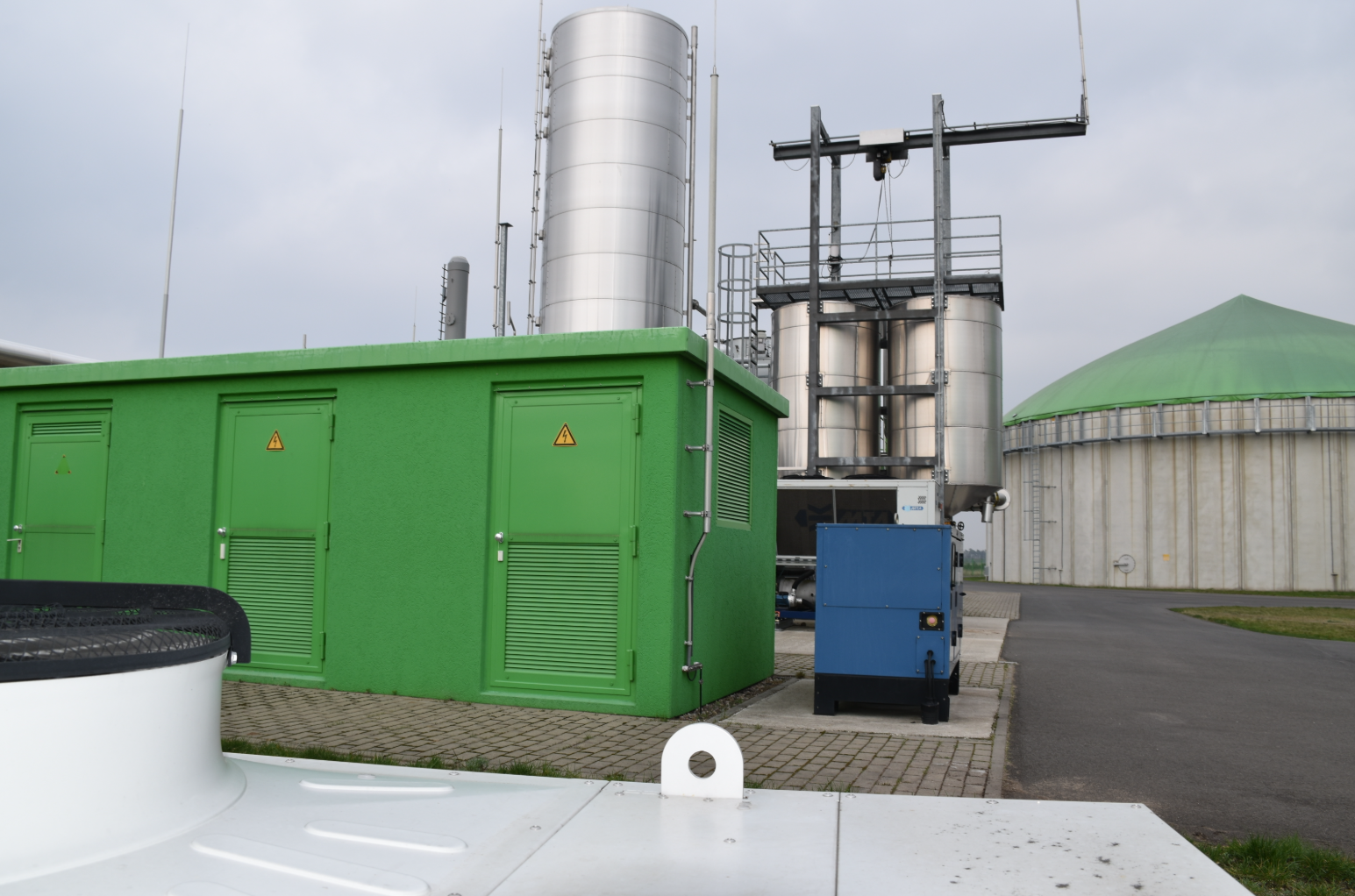
A fruit processing factory in central Sri Lanka sought to develop a credible waste-to-energy solution as part of a wider investment memorandum. The site faced limited grid capacity, creating both a challenge and an opportunity for on-site generation. The objective was to evaluate whether a 2MW anaerobic digestion plant combined with CHP could form a viable component of the facility's energy strategy. The consultant's techno-economic analysis would serve a critical dual purpose: demonstrating project feasibility to potential financiers and providing the evidentiary foundation necessary to support a major financing bid.
Project Challenges
The engagement presented structural complications from the outset. The consultant worked remotely without direct client access, instead coordinating through a capital finance broker. This indirect relationship created alignment difficulties, as stakeholders maintained conflicting objectives regarding what information should be included in the investment memorandum. Ensuring consistency across versions while managing divergent priorities demanded careful orchestration.
The technical challenges were equally formidable. The feedstock comprised a combination of municipal waste and seasonal agricultural products from fruit processing operations a mixture with inherently low methane potential. The variability introduced genuine risks: potential poisoning from contaminated feedstock and dramatic seasonal fluctuations in availability and composition. The project required high capacity-to-feedstock ratios, demanding that the 2MW digester operate efficiently despite these constraints.
Solutions
Encast enabled a comprehensive techno-economic solution. Solar PV was deployed across the entire factory roof, providing supplementary renewable generation. The 2MW anaerobic digester formed the centrepiece of the energy strategy, utilizing reciprocating methane-powered engines for combined heat and power generation. The platform allowed the team to model multiple configurations, systematically evaluating different combinations of CHP capacity and battery plant sizing to identify the optimal balance between capital investment and operational performance. Multiple solution options were developed for presentation in the investment memorandum, enabling financiers to understand the project's flexibility and resilience.
The platform proved invaluable in managing the engagement's complexities. By maintaining a cohesive, internally consistent model across all stakeholders and successive investment memorandum versions, Encast became the single source of truth critical when coordinating through intermediaries and managing divergent objectives. The model fully integrated the AD plant's performance characteristics, moving beyond simplified assumptions to capture realistic behaviour under operating conditions. Crucially, the platform demonstrated the risks inherent in multiple feedstock sources and inter-seasonal output variation, allowing investors to understand downside scenarios and the project's resilience strategies.
For financing purposes, the platform delivered transformative value. Encast provided the credible techno-economic analysis essential for supporting the investment memorandum and substantiating claims to potential financiers. The detailed feasibility and scoping analysis of the AD plant instilled confidence in the project's technical viability. The sophistication of the modelling capturing seasonal variation, feedstock risks, and multiple equipment configurations demonstrated that the project team had rigorously stress-tested their assumptions and understood the system's behaviour across diverse operating scenarios.
Summary
This case illustrates how Encast enabled a complex, cross-border financing initiative by providing the analytical rigour and transparency necessary to bridge the gap between technical feasibility and investor confidence. Facing challenges of remote coordination, conflicting stakeholder interests, and inherently variable feedstock characteristics, the platform served as a unifying force maintaining consistency across versions while accurately representing both opportunities and risks. By modelling multiple solution configurations and transparently demonstrating how the anaerobic digestion plant would perform across seasonal variations and feedstock uncertainties, Encast equipped the consultant to present a compelling, evidence-based case to financiers. The success speaks for itself: the techno-economic analysis proved sufficiently credible and comprehensive to secure a nine-figure USD funding commitment, validating both the project's potential and the power of rigorous, integrated energy modelling in attracting institutional capital to renewable energy infrastructure in emerging markets.
Ready to build models in real-time?